
Fire Extinguishers: A Comparison
Fire Extinguisher Talk
Every vehicle should carry a fire extinguisher — not just when you’re off‑roading. It’s one of those pieces of safety gear you hope you never need.
At organized off‑road events, a fire extinguisher isn’t optional. Most OHV recreation events require a Type ABC, 2‑lb unit mounted on a quick‑release bracket within reach of the seat‑belted driver.
What Does “Type ABC” Mean?
The letters refer to the types of fires the extinguisher can put out:
Type A – Ordinary combustibles: wood, cloth, paper, and some plastics. Think trees, grass, and the interior materials in your vehicle.
Type B – Flammable liquids: gasoline, oil, grease, and other fluids that may leak from your engine.
Type C – Electrical fires: wiring for your winch, lights, radio, and all the electrical bits under the hood.
What’s Inside the Extinguisher Matters
Not all extinguishers are created equal and the agent inside the bottle makes a big difference.
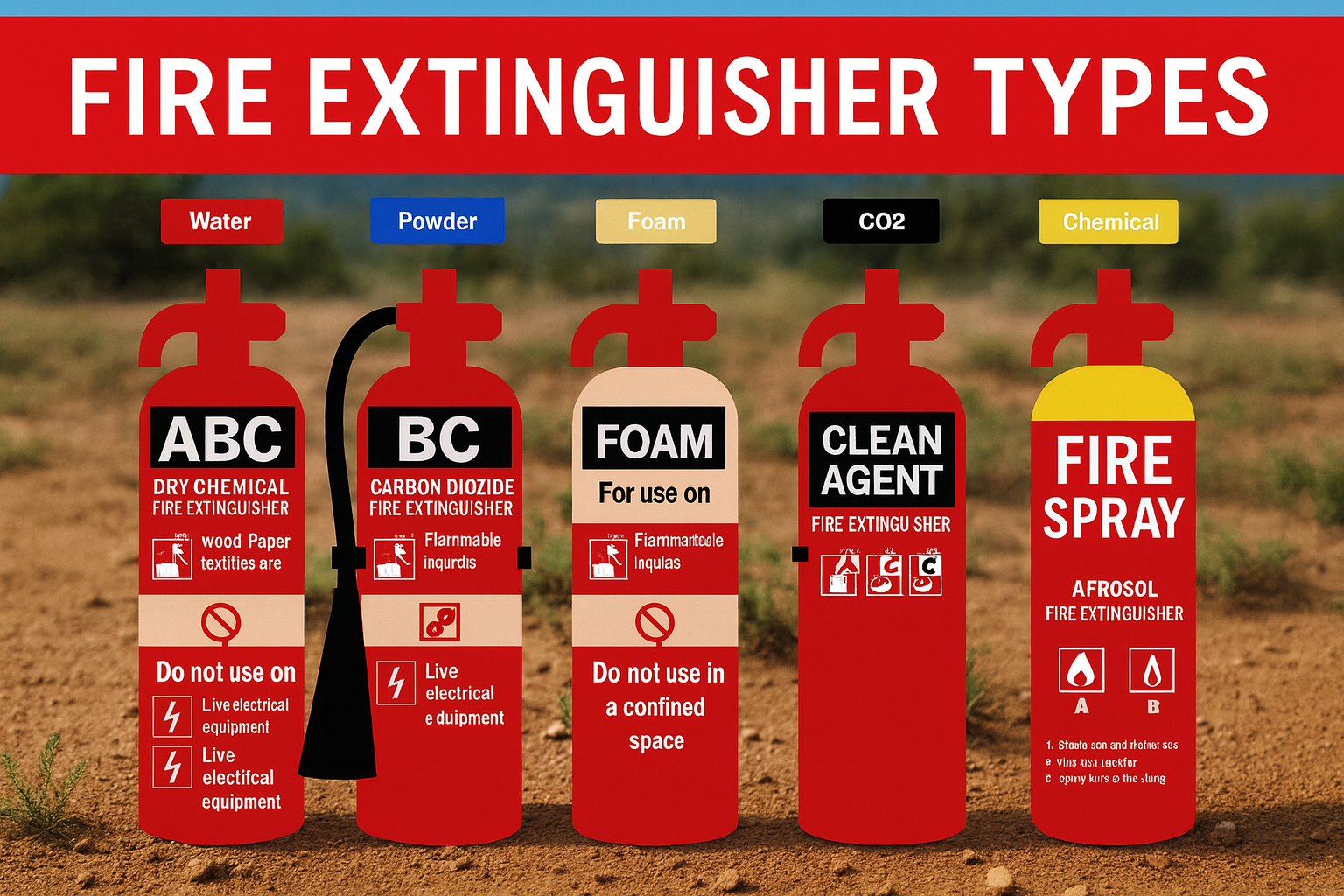
Dry Chemical (Powder) Extinguishers
These are the inexpensive units you’ll find at most big‑box stores for under $20. They meet tech requirements and will absolutely put out a fire — but they leave behind a corrosive, messy powder that can damage wiring, paint, and components. Effective, but expect a major cleanup.
Carbon Dioxide (CO₂) Extinguishers
CO₂ units smother the fire by displacing oxygen.
Pros: No residue, no cleanup, non‑conductive.
Cons: Short discharge time (about 10 seconds), require precision, and are usually only rated for Type B and C fires. A 2‑lb bottle runs around $150. Some events may not accept them because they lack a Type A rating.
Clean Agent (Halon Variants)
These use modern, safer halon replacements such as Halotron or HalGuard.
Pros: Clean, non‑corrosive, non‑conductive, and leave zero residue.
Cons: Expensive — typically $200+ for about 10 seconds of discharge. MN GO 4‑Wheeler tech guidelines prohibit Halon itself; the status of Halon variants varies by event, so check before you buy.
Foam and Aerosol “Fire Spray” Products
Products like Mini Firefighter or FireAde are handy for small household situations, but many OHV events do not accept aerosol‑type extinguishers for tech inspection.
Additional Features to Look For
Durability: Off‑roading is rough. Branches slap the vehicle, gear shifts around, and anything mounted inside can take a beating. Choose extinguishers and mounts with metal components over plastic.
Quick‑Release Mounts: This is a whole topic on its own. Different vehicles need different mounting solutions — seat mounts, roll‑bar mounts, cargo‑area mounts. Whatever you choose, make sure:
You can reach it while belted in.
It’s secure.
It won’t become a 5‑lb projectile when you’re bouncing through the woods.
A Tip Before You Ever Need It
If you’ve never discharged a fire extinguisher, do yourself a favor: buy the cheapest one you can find and practice. Spend $20 and 10 seconds learning how it feels to pull the pin, aim, and sweep. Do it outside on a big sheet of plastic so you can fold up the mess and toss it. You don’t want your first time to be during an actual emergency.
We, here at LROC, are not firefighters or experts — we just want to share what we know about fire extinguishers.
Reference Links:
https://blog.koorsen.com/what-are-the-different-types-of...
https://www.fourwheeler.com/.../131-0806-4x4-trail-gear.../
https://www.h3rperformance.com/...
https://www.nationwide.com/.../fire-extinguisher-safet
